Xpress: A Designer's Honest Review of This Graffiti Lettering Pack
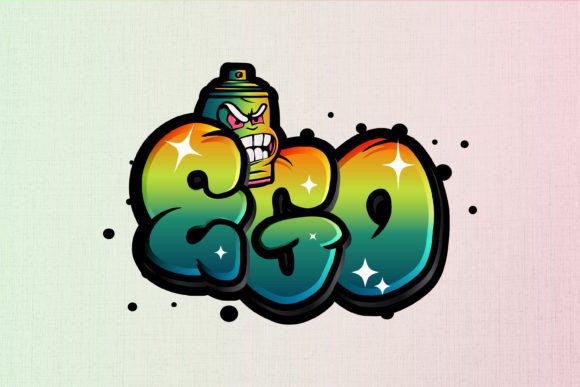
I have spent years testing digital design assets for real embroidery projects. Some files land on my desktop and immediately spark a dozen product ideas. Others sit there, technically fine but emotionally flat. When I opened the Xpress pack, the first thing I felt was energy. This is graffiti lettering typography art illustration that carries a street-smart rhythm, the kind of visual voice you notice on a jacket across a room or on a tote bag at a craft market. It is loud in the right way, and that matters when you are building products people pick up with their hands.
What I want to do here is walk through how Xpress actually behaves when you start thinking about thread, fabric, stabilizer, and a real customer holding the finished piece. I am not interested in the file list alone. I care about whether the design holds up after stitching, whether it reads clearly on a sweatshirt, and whether a small shop owner can confidently list it on Etsy without worrying about how it looks after the third wash. This is the review I wish someone had written before I loaded a similar design onto my machine years ago.
First Impressions of the Xpress Graffiti Typography Vibe
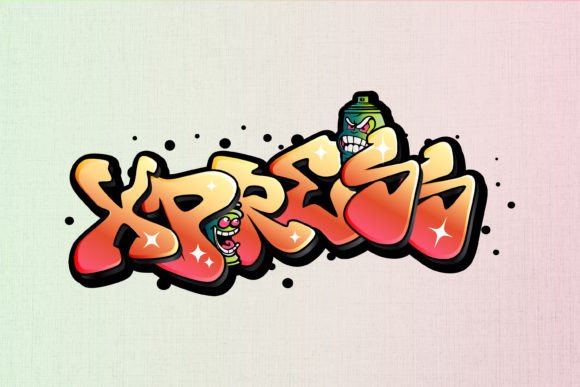
The word that kept coming to mind was movement. The letterforms in Xpress do not sit still. There is a slant, a spray-can attitude, a deliberate unevenness that makes the design feel hand-painted rather than mechanically placed. That is incredibly valuable in embroidery because too many typography designs translate as stiff and lifeless once thread replaces ink. Xpress has the opposite problem in the best way. The shapes ask for a fabric that can carry some personality.
As a designer who reviews embroidery-ready artwork regularly, I immediately started picturing this on a heavyweight cotton canvas tote bag. The kind of tote someone carries to a farmers market or a coffee shop, where the bag itself becomes a conversation starter. The graffiti lettering typography art illustration style of Xpress suits that casual, slightly edgy product category perfectly. It also works for a relaxed-fit sweatshirt, a denim jacket back panel, or even a structured cap if you scale it carefully.
The pack includes AI FILE, EPS FILE, SVG FILE, and PNG TRANSPARENT FILE at 300dpi. That is a solid format spread for digital product sellers and embroidery digitizers alike. The vector files give you clean scaling without losing edge definition, and the transparent PNG is useful for mockup placement before you commit to stitching. I always appreciate when a design pack does not skimp on file variety because it tells me the creator understands that different workflows demand different starting points.
How Xpress Fits Into a Real Embroidery Workflow
Let me paint a real scenario. I had a client inquiry last month for a set of custom embroidered tote bags as welcome gifts for a creative agency event. They wanted something that felt urban, artistic, and unmistakably non-corporate. I pulled up Xpress on my screen, dropped the design into a mockup, and immediately knew it was a contender. The lettering had enough visual weight to stand alone without additional elements, which keeps stitch time reasonable and the finished product clean.
When I evaluate any machine embroidery design candidate, I mentally run through the stitch types I would assign. For Xpress, the bold strokes suggest satin stitch for the main letter bodies, with possible running stitch accents for the finer spray details around the edges. The fill areas need attention because graffiti lettering often has uneven thickness. An experienced digitizer will adjust stitch density carefully so the fabric does not pucker under the heavier sections while the thinner lines remain visible and crisp.
The Patch Test: Stitching Xpress on a Small Scale
One of my favorite ways to test a design like this is the patch approach. I hooped a piece of cotton twill with a medium-weight cutaway stabilizer and ran a sample stitch of Xpress at roughly four inches wide. The result was encouraging. The lettering held its character. The edges read clearly even from a few feet away, which is the distance most people see an embroidered patch on a jacket or backpack. If you are an Etsy seller offering custom patches, this design gives you a distinct aesthetic that stands apart from the script fonts flooding the marketplace.
For small-scale use, I would caution against going below three inches in width. Graffiti lettering depends on the relationship between thick and thin strokes. Shrink it too far, and you lose that contrast. The design becomes a blob of thread. Test on scrap fabric before you commit a customer order. I always run at least two stitch-outs at different sizes before I list a new finished product in my shop.
Where Xpress Shines Brightest
After testing, I see Xpress thriving on products where the design is the main event. Think of a blank sweatshirt where the front panel carries nothing but this lettering. No distractions, no filler graphics. The graffiti lettering typography art illustration personality does the heavy lifting. That kind of product photographs beautifully for Etsy listings because the eye goes straight to the message and the texture of the embroidery.
Here are the product categories where I would confidently place Xpress based on my stitching experience:
- Tote bags in natural canvas or black cotton, where the thread color pops against the fabric base
- Sweatshirt embroidery on the chest or upper back, especially for streetwear-inspired small shop merchandise
- Embroidered patch sets with a merrowed border, sold individually or in bundles for craft business inventory
- Denim jacket back panels, where the larger scale lets the lettering breathe and command attention
- Cap embroidery on structured fronts, though you will need to adjust for the curved surface carefully
- Pillow covers as personalized gifts, especially for teens or creative professionals who appreciate urban art
- Tea towels or kitchen textiles with a modern, slightly irreverent twist for holiday gifting
Each of these categories benefits from the bold, recognizable silhouette that Xpress provides. The design does not whisper. It declares. That is exactly what you want when you are selling handmade product lines in a crowded market. Customers scroll fast. Your product image needs to stop them. A design with genuine visual presence earns that pause.
Fabric and Stabilizer Decisions That Make or Break the Result
I learned the hard way that bold typography and stretchy fabric are not friends without serious planning. A thick satin stitch on a lightweight jersey knit can turn into a wavy mess. If you plan to stitch Xpress on t-shirts or baby clothes, use a fusible mesh stabilizer and consider a topping film to keep the stitches from sinking into the fabric texture. The design is worth the extra prep, but skipping it will show in the final product.
For dark fabric, contrast is everything. A white or neon thread choice against black cotton makes the graffiti lettering feel electric and true to its street-art roots. On light fabric, darker thread with a subtle outline can add depth without losing the hand-painted feel. I always test the design in a grayscale mockup first. If the lettering holds its visual structure without color, you know the shape is strong enough for embroidery. Xpress passes that test comfortably.
Textured fabrics like linen or waffle-weave cotton add an interesting dimension to graffiti-style embroidery, but they also challenge the finer details. The spray-effect elements that give Xpress its attitude may blur slightly on an uneven surface. That is not a flaw. It is a design choice. For a boutique branding product where a slightly distressed look adds character, lean into it. For a client who expects razor-sharp precision, stick to smooth, tightly woven base fabrics.
Using Xpress for Commercial Embroidery and Small Shop Success
I speak with a lot of craft business owners who worry about whether a design will sell. The question is not just about personal taste. It is about what your customer base reaches for. Xpress has a market-ready edge. The graffiti lettering typography art illustration style speaks directly to younger buyers, streetwear fans, creative entrepreneurs, and anyone looking for personalized gift items that do not look mass-produced.
If you run an Etsy shop offering custom apparel, this design gives you a recognizable anchor product. You can offer it on multiple garment colors, in multiple thread colorways, and across several product types without it feeling repetitive. That kind of versatility matters when you are building a cohesive brand from a manageable set of design assets. One strong typography piece can anchor your entire collection for a season.
For digital embroidery file sellers, the vector formats included with Xpress make it easy to create clean digitized versions ready for resale in embroidery formats. The transparent PNG also works beautifully for printable mockup use. A buyer can preview exactly how the design will sit on their product before purchasing the digitized file. That transparency builds trust and reduces post-purchase hesitation.
Licensing Considerations Every Seller Should Check
Before you list anything using Xpress, confirm the license terms that come with the purchase. The product description states it is an instant digital download with no physical product included. That is standard. What you need to verify is whether the license covers commercial embroidery use on finished products you sell, whether you can digitize and resell the embroidery file itself, and whether there are any quantity limits on physical items produced. Do not assume. Ask the designer or read the shop policies carefully. A few minutes of due diligence now saves a copyright headache later.
What I Would Tell a Fellow Maker Before They Stitch Xpress
Test on scrap fabric first. I say this in every review because I mean it every time. No matter how experienced you are, a new design behaves differently on your specific machine, with your specific thread tension, on your specific fabric choice. Run a sample of Xpress at the exact size you plan to sell. Wash it. Dry it. Look at it in natural light. If you are happy with what you see after that process, your customer will be happy too.
Check your hoop size against the scaled design dimensions. A common frustration I hear from embroiderers is realizing mid-project that their largest hoop cannot accommodate the design at the size the customer requested. Plan backward from your machine's capabilities. The vector files in this pack let you scale without quality loss, so you have flexibility. Use it wisely.
Thread color selection deserves real attention with graffiti lettering. The design's personality shifts dramatically between monochrome, two-tone, and multi-color approaches. A single-color stitch in a vibrant thread keeps the look clean and modern. A two-tone approach with a contrasting outline adds punch. Multi-color stitching can capture the spray-can layering effect but requires careful digitizing to avoid registration issues. Start simple and experiment once you have a baseline result you trust.
Final Practical Observations on Xpress
After working with Xpress across several test projects, I can say this is a design pack that rewards thoughtful execution. It is not a beginner-level stitch-and-go piece if you want the best result, but it is also not so complex that it becomes unworkable. The sweet spot is a maker who understands their machine, respects stabilizer choices, and wants a typography asset that brings genuine attitude to their product line.
For apparel decorators building a streetwear-inspired collection, for Etsy sellers looking to differentiate their handmade product listings, and for crafters who want to create personalized gifts with an urban edge, Xpress earns its place in your design library. The file variety, the visual energy, and the sheer product versatility make it a practical investment rather than a novelty download.
I have stitched enough mediocre typography to know when a design has real bones. Xpress has them. Treat it with the same care you would give any embroidery design you plan to sell, and your customers will feel the quality the moment they unfold the finished piece. That feeling is what turns a one-time buyer into someone who comes back and tells their friends about your shop.