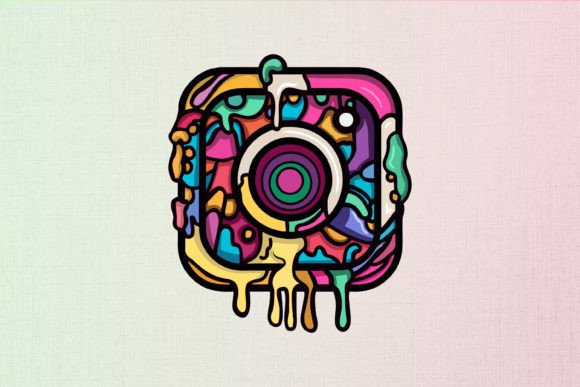
Graffiti Art Graphics for T-Shirt Designs
I downloaded the Instagram Graffiti Art Illustration pack last Tuesday with one goal in mind: building a cohesive streetwear-inspired collection for my Etsy shop and testing it across three product types before committing to a full season launch. If you sell print-on-demand apparel, digital clipart bundles, or social media templates, you know the drill. One design can carry multiple products, but it has to hold up under real-world previews, actual print tests, and thumbnail-level browsing. Here is what I found after putting this asset through a practical, no-fluff evaluation.
First Impression and Visual Personality
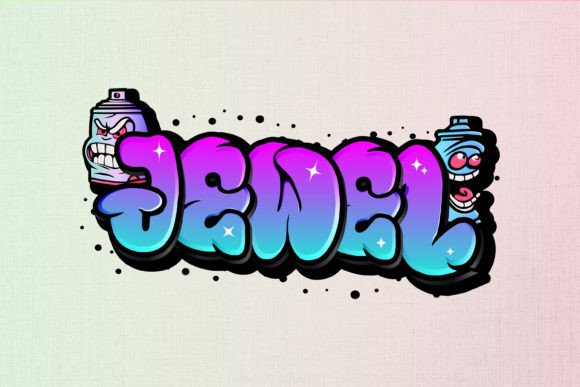
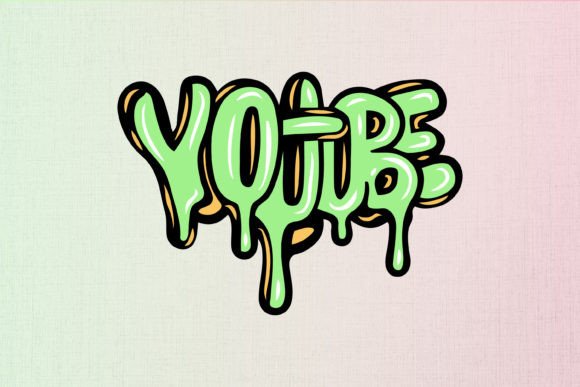
The artwork leans into an urban, raw, slightly rebellious mood that sits comfortably between street art authenticity and social-media-ready polish. It is not a dainty watercolor illustration or a minimalist line drawing. The energy is loud, textured, and meant to grab attention. If you cater to buyers who love bold statement pieces, festival culture, music-inspired merchandise, or modern teen fashion, this asset will feel right at home. The spray-paint texture effects, drips, and layered details give it a hand-finished quality that reads well on dark backgrounds and oversized product mockups. I would describe the style as modern street art with commercial versatility — playful enough for casual wear, rugged enough for edgy branding, and structured enough to work inside a Canva template or promotional social media graphic.
Buyer personas that instantly came to mind include small clothing line owners, streetwear boutique operators, event promoters, content creators targeting Gen Z audiences, and crafters making custom tote bags or tumblers for urban-themed gift lines. The design does not try to please everyone, and honestly, that is a strength. A clear niche identity sells faster than something generically palatable.
What the Pack Actually Contains and Why It Matters
The product listing states that the download includes AI, EPS, SVG, and high-resolution PNG files with transparency at 300dpi. Upon extraction, the files were organized, labeled consistently, and ready to open without hunting through cryptic filenames. The vector formats are essential for scaling the artwork onto large print surfaces like sweatshirts, tote bags, or wide-format sublimation prints without losing edge definition. The transparent PNG lets you drag the graphic straight onto a mockup, a Canva frame, or a digital product thumbnail in seconds. For Etsy sellers who include clipart or printable art prints in their catalog, having a truly transparent background PNG with clean edges is non-negotiable. I tested the transparency against white, cream, and dark gray backgrounds and found no stray pixels or ghosting around the main shapes.
The SVG file cut well on my Cricut test, though I always recommend doing a small test cut on scrap material first when you are dealing with layered, textured edges like spray-paint splatters. Some of the intricate drip details are better suited to print-then-cut projects rather than intricate weeding for vinyl decals. For sticker sheets, the PNG works beautifully when placed into a pre-made sticker layout template and exported at print resolution.
Product Applications Worth Testing First
When I evaluate any graphic design asset for commercial use, I run it through a set of product scenarios before I ever upload a listing. For this graffiti illustration, here is where the design truly shined:
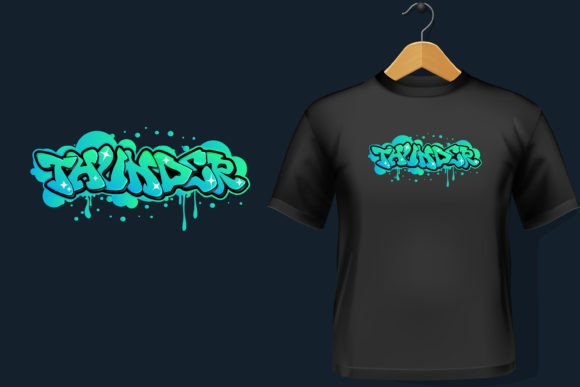
- T-shirt designs: Placed on a heavy cotton black tee mockup, the graphic popped immediately. The contrast stayed strong, and the rough texture translated well under realistic fabric shadows. I also tested it on a white crewneck and a faded denim tote bag. Each preview felt intentional, not just copy-pasted.
- Mug designs: On an 11oz white mug template with a wraparound layout, the artwork added personality without overwhelming the product shape. For sublimation sellers, this works especially well with a slightly grungy, distressed background layer behind it.
- Canva templates and social media graphics: Dropping the transparent PNG into a square Instagram post template gave an instant editorial, street-culture vibe. Bloggers and content creators building visual assets for music reviews, event promos, or lifestyle content will find this a useful shortcut to a cohesive aesthetic.
- Printable wall art and planner stickers: I printed a small version on matte sticker paper and a larger A5 art print on textured cardstock. Both held detail nicely. For planner sellers, the slightly rebellious style pairs well with mood-tracking pages, goal-setting inserts, or journaling kits aimed at a younger audience.
- Digital product bundles: This artwork fits naturally into a themed bundle with other street-art illustrations, urban fonts, and distressed textures. A bundle of five to seven coordinated designs at a mid-range price point could perform well on Creative Fabrica or Design Bundles.
Testing for Marketplace Thumbnail Appeal
One of the fastest ways to sabotage a good design is a weak thumbnail. I placed this graphic on three mockup styles — a flat-lay t-shirt, a framed art print, and a smartphone case — then scrolled through a simulated Etsy search page on my laptop. Even at thumbnail size, the high-contrast silhouettes and graffiti textures held their shape. The trick with bold street-art designs is keeping the composition simple in small previews. I found that cropping the artwork tightly and using a solid background behind the product mockup improved click-through potential. Avoid cluttering the listing image with too many decorative elements. Let the commercial design do the heavy lifting.
Brand Consistency and Visual Storytelling
I run two shop concepts. One is bright, feminine, and planner-focused. The other is edgy, unisex, and built around statement apparel. The Instagram Graffiti Art Illustration asset fits the second brand like a glove and honestly does not suit the first one at all. That is fine. Buyers trust brands that show visual consistency. If your shop already sells streetwear, music-festival merchandise, or grunge-inspired printables, adding this graphic strengthens your existing catalog. If your shop is cottagecore or boho-chic, this design will look out of place and may weaken your brand identity. Use it where it reinforces your product story, not where it confuses the customer.
Where Caution Is Needed
No asset works everywhere, and being honest about limitations saves time and returns. Here are the scenarios where I would use this design carefully or avoid it altogether:
- Tiny sticker details: Some of the finer spray-paint dots and thin linework become harder to cut cleanly on a Cricut at sizes below one inch. If you sell mini sticker sets, test the smallest element before committing to a full sheet layout.
- Low-resolution print products: The 300dpi PNG holds up well, but certain print-on-demand providers compress uploaded files. Order a physical sample before scaling the design to a large canvas print or an oversized hoodie print area.
- Crowded thumbnail layouts: When you add text overlays, decorative borders, and multiple product photos to one listing image, the graffiti texture can compete with other visual elements. Keep the layout clean, and if you add typography, use solid font weights rather than delicate scripts on top of the graphic.
- Dark-background-only products: The design works beautifully on black but loses some drama on mid-tone grays and certain muted colors. Test it on the exact product colorways you intend to sell.
- Clean-cutting-line SVG projects: The distressed, organic edges are part of the charm, but complex weeding for vinyl decals or heat-transfer projects may frustrate beginners. I would market this as a print-then-cut or sublimation design first, and a traditional layered vinyl design second.
Practical Seller Preparation Steps
Before uploading any final listing for a digital product or printed merchandise item, I ran through a short checklist that I recommend to anyone using this asset commercially:
- Open the AI and EPS files in Illustrator to confirm editable layers and clean paths.
- Place the PNG on a white mockup, a dark mockup, and a product template to check real-world contrast.
- Print a small test on matte and glossy paper to see how the inkjet handles the textured details.
- Run a Cricut test cut on standard vinyl to confirm whether the SVG produces a clean result or needs simplification.
- Preview the design as a tiny Etsy thumbnail side-by-side with competitor listings and adjust cropping if necessary.
- Pair it with a sans serif font like a bold condensed style for headers, and a clean handwritten or script font for accent text — both contrasted well in my mockups without fighting the illustration.
- Organize final customer files into clearly named folders and include a simple usage guide. Buyers appreciate clarity, especially when multiple file formats are delivered.
- Confirm the commercial license terms if you plan to sell finished physical products, printable downloads, or template designs that incorporate the artwork.
Pricing Strategy and Bundle Potential
As a standalone t-shirt design, this graphic can support a single-product listing at a competitive price point. Where it gets interesting is bundling. I created a quick test collection using this illustration plus two complementary street-art assets and a set of coordinating texture backgrounds. The bundle felt complete and gave me enough material to build a themed product drop with six to eight SKUs — t-shirts, hoodies, mugs, tote bags, phone cases, and a printable art set. For digital download sellers, a bundle of five graffiti-style clipart files priced between ten and eighteen dollars can work well on Etsy or Creative Fabrica, especially if you include a commercial-friendly license.
File Quality and Customer Experience Considerations
One thing experienced sellers pay attention to is the customer unboxing experience, even for a digital download. When a buyer opens a zip file and finds a mess of unlabeled documents, trust erodes. This asset arrived with clean file names, which means less prep work before uploading to a shop. The 300dpi PNG resolution held up under a 2x scale test in Photoshop without visible pixelation. The vector files opened smoothly in both Illustrator and free alternatives like Inkscape, which matters when your customer base includes hobbyists using a range of software.
For print-on-demand sellers using platforms like Printful or Printify, the PNG transparency eliminates background removal steps. Upload, position, and preview. That straightforward workflow saves real time when you are listing multiple products in a single sitting.
Final Practical Takeaway for Sellers
After a full afternoon of testing across mockups, materials, and product categories, the Instagram Graffiti Art Illustration earns its place in a commercially focused design library. It is not a universal fit, but it does not need to be. Its value sits squarely in the streetwear, urban apparel, edgy social media branding, and bold printable product niches. It scaled well, cut adequately, printed sharply, and maintained visual impact at thumbnail size. If your shop profile aligns with the mood of social media graffiti art and you are comfortable testing cut settings and print samples before launch, this asset can support multiple product listings and help build a recognizable brand style. I will be using it for a six-product drop next month, and based on what I saw during testing, I expect it to hold attention exactly where it needs to — in a crowded marketplace feed.