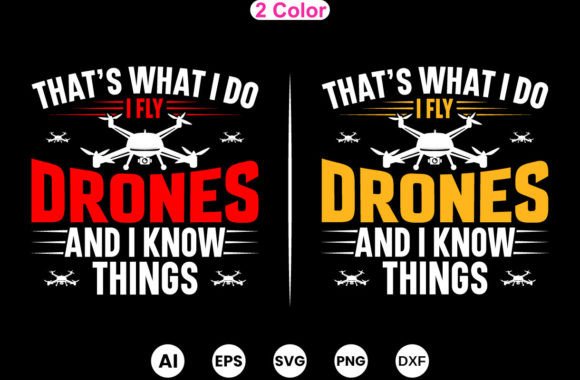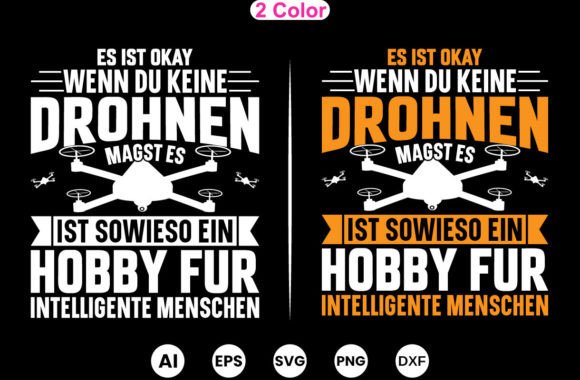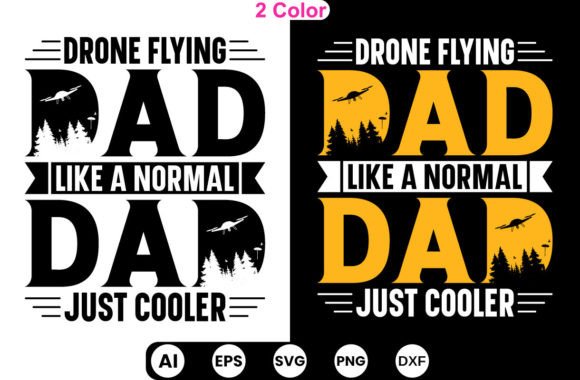
A Real-World Review of the Flying Drone T-Shirt Design Mug
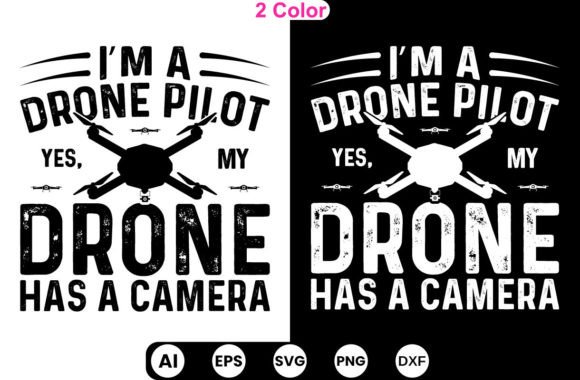
When a new embroidery design lands in my library, my first question isn't about its technical specs—it's about its story. What kind of real, stitched-out project does it want to become? The Flying Drone T-Shirt Design Mug design immediately strikes me as a graphic with a specific, playful energy. Its name hints at a modern, tech-forward theme, while the "Mug" element suggests a cozy, everyday object. This blend creates a unique visual personality: it feels contemporary yet approachable, perfect for a gift or a personalized product that doesn’t take itself too seriously.
The Mood It Creates and Where It Naturally Belongs
My first impression is that this design carries a lighthearted, gadget-loving mood. It's not an overly serious technical illustration; it’s likely a stylized representation meant to be fun. This makes it a fantastic candidate for casual, personalized gifts or merchandise for a niche audience—think drone hobbyists, tech enthusiasts, or even as a quirky gift for a coffee-loving programmer. The layout, assuming it's a single focal graphic, would naturally shine on items where the design can be a clear, central statement.
In my mind, I’m already picturing it on a mid-weight cotton tote bag for a craft fair. The graphic would pop, offering a conversation starter. Alternatively, embroidered onto a left-chest position on a relaxed-fit sweatshirt, it becomes a subtle badge of interest. For a baby item, like a nursery pillow cover or a soft blanket for a child in a family that loves tech, it could be a charming and unexpected detail. The key here is that the design’s theme suggests it belongs on products that are used in relaxed, personal settings rather than formal corporate apparel.
Performance in Real Embroidery Projects: A Practical Walkthrough
Let’s talk about stitching it out. As a machine embroidery design intended for digital printing per the description, its translation into stitches will depend heavily on the digitization. For a real-life scenario, imagine I’m preparing a custom embroidered cap for a client who runs a small drone photography business. The Flying Drone T-Shirt Design Mug could be a great branded element.
On a curved surface like a cap, the design’s clarity is paramount. I’d be looking closely at the level of detail. Are the drone’s propellers or the mug’s handle defined with clean lines that won’t blur into a dense stitch mass? A good embroidery file for this should use satin stitches for outlines and sensible fill stitches for larger areas, maintaining a stitch density that’s firm but not so high it distorts the fabric. On a sweatshirt or a heavier tea towel, those fills would look rich and solid. On a baby garment or thinner fabric, I’d be cautious—a very dense design might be too stiff for soft, stretchy knits.
Where This Design Demands Extra Attention
Any design with potential small elements—like text, thin antennae on the drone, or delicate mug details—requires careful handling. If the design includes tiny lettering for “Flying Drone” or “Mug,” those areas are risk points on textured fabrics or in small hoop sizes. I always advise testing on scrap fabric first, especially if you plan to use it on dark fabric. Thread color contrast is everything; a light gray stitch on a black hoodie might lose its definition if the details are too fine.
For layered garments like jackets, or items needing frequent washing like kitchen aprons, the design’s integrity after stress is key. A robust digitization with secure underlay and clean stitch paths will ensure the embroidered patch or directly stitched design holds up, maintaining customer trust in your handmade product’s quality.
Impact on Your Craft Business and Customer Appeal
From a commercial embroidery perspective, this design adds value by targeting a specific interest. For an Etsy seller or small shop owner, offering it on a range of products—from embroidered patches to custom pillow covers—can create a cohesive merchandise line. Its visual appeal is its niche relevance; it won’t be for everyone, but for the right buyer, it creates instant recognition and engagement.
The giftability is high. As a personalized gift, embroidered onto a tote bag or a nice tea towel for a tech-savvy friend, it feels thoughtful and unique. For a boutique selling handmade products, it contributes to brand consistency if your shop leans towards modern, playful themes. The professionalism of your finished product, however, hinges entirely on your execution. A clean stitch-out with proper stabilizer and well-chosen thread colors turns this graphic into a premium item; a rushed job with puckering undermines it.
Essential Designer Notes Before You Hoop It Up
Before committing this design to a client project or your small business merchandise, run these practical checks. First, always stitch a test on a scrap of your intended fabric. This reveals true thread color contrast, stitch density feel, and any potential issues with small details. Review it in both black and white mockups if you’re creating digital product previews—how does it look on a light versus dark background?
Confirm your hoop size can accommodate the design without forcing you to compromise on detail. Inspect the file closely in your software; look for any unnaturally dense areas or overly complex corners that might challenge your machine. Crucially, since the product description mentions it is made for screen printing and digital printing, you must verify the licensing terms. Confirm explicitly whether this embroidery file is cleared for commercial use, allowing you to sell finished products or use it in your craft business. Never assume.
Finally, consider fabric texture. This design might shine best on smooth, tight-weave fabrics like canvas for a tote or standard cotton for a t-shirt, where every stitch sits clearly. On highly textured linen or looped towels, the image could soften, which might be a desirable effect or a loss of clarity, depending on your goal.
The Bottom Line for Makers and Decorators
The Flying Drone T-Shirt Design Mug design presents an opportunity for a fun, thematic embroidery project. Its strength is its targeted theme, making it a potential standout in a marketplace of generic graphics. For apparel decorators and creative entrepreneurs, it’s a design that asks for a considered application—pair it with the right product, execute it with technical care, and it can become a valued handmade product or a commercial design asset that resonates with a specific community. Approach it not just as a file, but as a future stitched story waiting for the right fabric, the right project, and the right recipient.